Chicken Road Cashout, Chicken Road Game
Chicken road cashout for chicken road game: requirements, timings, costs and what to do when something goes wrong.
What is Chicken Road Cashout?
In the chicken road game, the cashout is the single action that converts a rising multiplier into real money. As your chicken crosses each tile safely, the coefficient climbs, 1.20×, 2.50×, 5.00× and beyond. The cashout button locks that number in. Miss the window and the car hits, returning nothing. It is the core mechanic that separates chicken road from passive slot games where outcomes are decided before the reels stop.
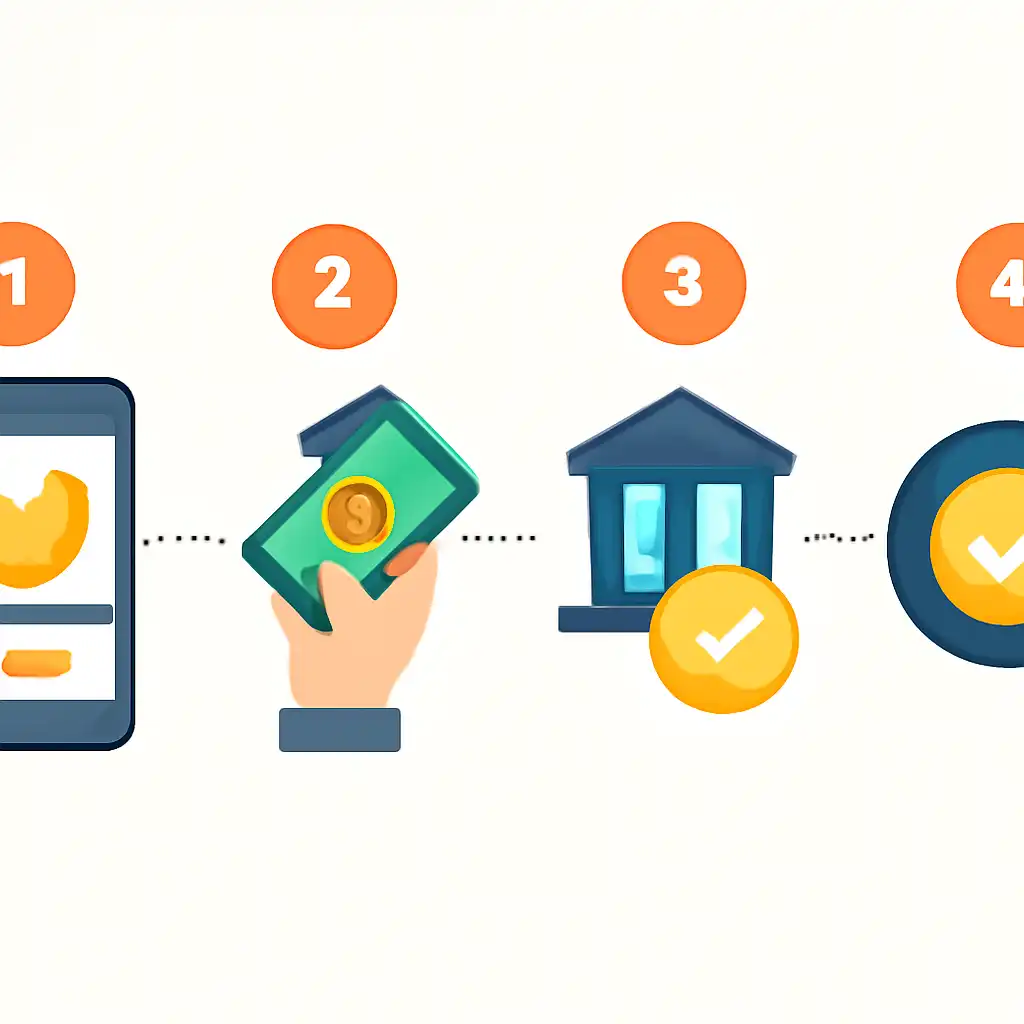
Cashout winnings are credited to your platform wallet immediately. Indian players withdrawing via PhonePe, Google Pay (GPay), or BHIM UPI typically see funds reflected within minutes, since UPI settlements run 24/7 including public holidays. This near-instant pipeline makes the cashout decision feel even more consequential, the rupees are real and the transfer is fast.

How Chicken Road Cashout Works
Every round follows a clear sequence. First, enter your stake, commonly between ₹10 and ₹10,000 depending on the platform limit. The chicken launches, and the multiplier increments with each safe tile landing. The live coefficient displays in large numerals at the screen centre. When the number reaches your target, tap the green Cashout button. Your payout calculates instantly: Stake × Multiplier. A ₹200 bet cashed out at 4.00× returns ₹800 to your balance.
The auto-cashout setting removes manual timing entirely. Open the settings drawer, enter a target such as 3.00×, and the game triggers the cashout automatically the moment that value is reached. This is useful during commutes or low-attention sessions. Auto-cashout at a conservative 2.00× on Easy difficulty is a lower-variance approach compared to manually chasing 8.00× on Hard, where obstacle frequency is significantly higher per tile crossed.
Chicken Road Cashout Safety and Timing
Timing your cashout correctly is the primary skill in the chicken road game. On Easy difficulty, the multiplier grows by roughly 0.30× per tile, giving you more reaction time between increments. On Hard, increments are steeper but obstacle gaps narrow, compressing your decision window. Most experienced players set a personal exit rule before the round starts, for example, cashing out between 3.00× and 4.00× regardless of how smoothly the run is going, to avoid chasing losses or greed-holding past a safe point.
Network latency is a genuine timing risk. A 4G connection in metro cities like Mumbai or Bengaluru typically delivers sub-100 ms response times, making manual cashout reliable. On slower rural 4G or congested networks, a 300 to 500 ms delay can mean the cashout registers one tile later than intended, affecting your actual coefficient. Using auto-cashout eliminates this variable entirely, since the trigger executes server-side rather than waiting for your tap to travel back to the server.
Chicken Road Cashout on Mobile
The chicken road game is optimised for mobile browsers on Android and iOS, and the cashout button is deliberately oversized on small screens to reduce mis-taps. On a 6-inch display the button occupies roughly 20% of the lower screen area, making one-thumb operation practical. Portrait mode keeps the cashout button in thumb-reach range; landscape mode widens the game canvas but moves the button toward the screen edge, which some players find slower to tap under pressure.
Indian players frequently use PhonePe or GPay to top up their game wallet and withdraw cashout winnings directly to a linked UPI ID. The deposit-to-play cycle is fast: add ₹500 via GPay, play a session, cashout at your target multiplier, and withdraw back to the same UPI handle, all within a single sitting. Keeping auto-cashout enabled on mobile is recommended when multitasking, since an incoming call or notification can delay a manual tap by enough frames to cost the round.