Chicken Road Predictor, Chicken Road Game
Clear answers on chicken road predictor for chicken road game, checked against the live platform and updated when it changes.
What is Chicken Road Predictor?
The chicken road predictor is a pattern-recognition method used by experienced chicken road game players to anticipate which ovens are likely to fire next. Rather than external software, it is a structured reading of in-game signals, oven heat cycles, multiplier escalation rates, and recent burn sequences, so you can make informed jump decisions before committing a stake.
In the chicken road game, each oven runs on a semi-random cycle. The predictor tracks how many consecutive safe crossings have occurred at each position and compares that against known variance ranges. When an oven has been inactive beyond its average cycle, the predictor flags it as high risk. A recently fired oven may still be in its cooldown window, offering brief safe passage.

Key signals the predictor monitors: oven position index (each numbered lane carries a different fire frequency), multiplier climb rate (a fast-rising multiplier means a burn event is statistically closer), current streak length (streaks beyond 8 to 10 jumps show elevated burn probability), and session phase (early rounds in the chicken road game tend to be more forgiving than mid-session variance).
Chicken Road Predictor for New Players
New players should enter observation mode for the first five rounds: keep stakes at ×1 and watch oven behaviour instead of chasing high payouts. The chicken road predictor is most useful when your bankroll supports at least 20 individual attempts, so start at the lowest stake tier available on your platform, whether you fund via PhonePe, GPay, or BHIM UPI, deposit only what covers that session floor.
Focus on oven positions 1, 2, and 3 from the left first. These are the highest-frequency firing ovens in the chicken road game. Master reading them before extending to further positions. Apply the 3-safe-jumps rule: after clearing three ovens without a burn, freeze your multiplier or cash out, the predictor marks this as moderate-to-high risk territory for beginners.
Chicken Road Predictor Safety and Timing
Timing is where the chicken road predictor separates careful players from impulsive ones. Each oven has an observable wind-up animation lasting roughly 1.2 to 1.8 seconds before it fires. The predictor safety window is the gap between one fire event and the next, typically 3 to 5 jump cycles at standard game speed. Jumping inside that window rather than at its edge reduces burn exposure significantly.
For safety, cross-reference two signals before every jump: the oven's last known fire position in your session log, and your current multiplier level. If your multiplier is above ×4 and the target oven has not fired in six or more rounds, the chicken road predictor marks that combination as a red-zone entry, hold or exit rather than advance. Indian players funding sessions via PhonePe or GPay should also set a hard rupee loss limit before opening the game, since the predictor governs jump timing but not total session exposure.
Chicken Road Predictor Step by Step
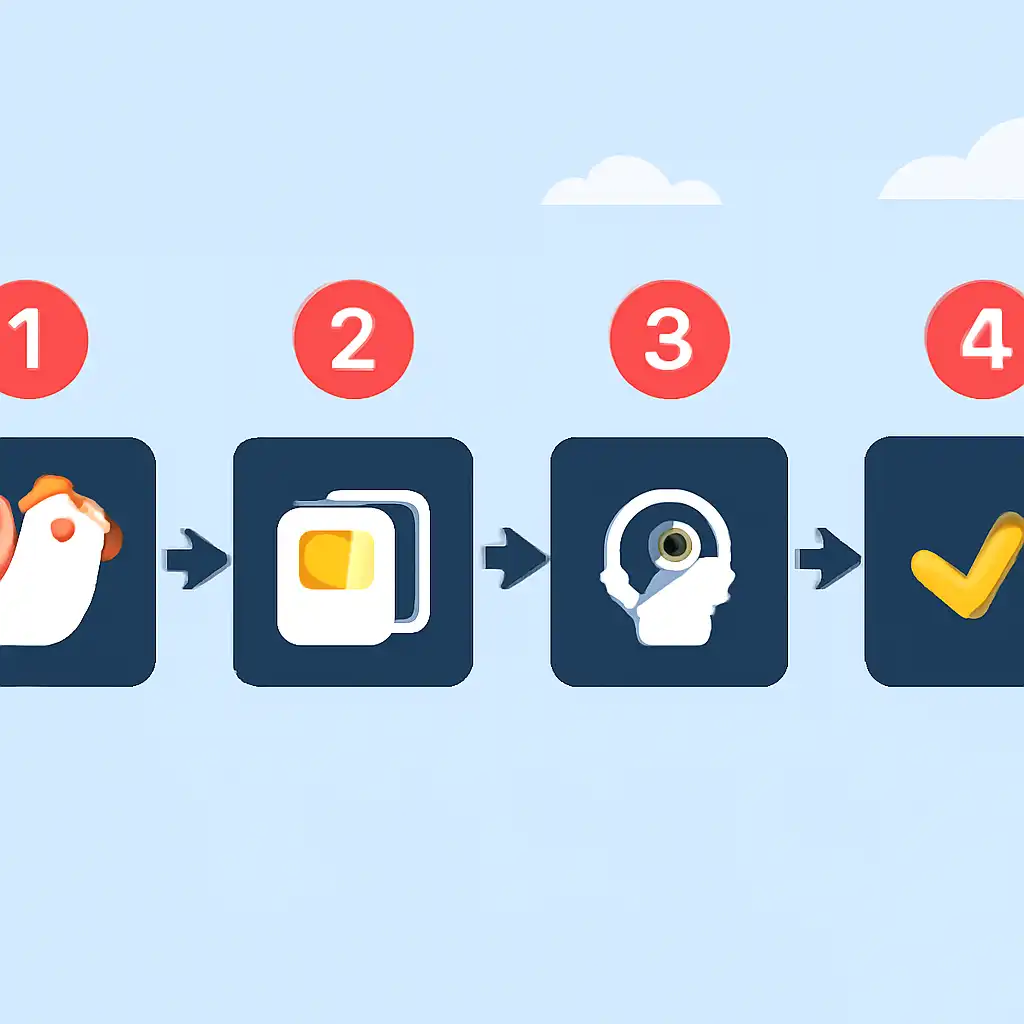
Step 1: Log your opening five rounds. Note the oven position, streak length at burn, and multiplier at exit for each attempt. Step 2: Identify your coldest oven: the position that has not fired in the longest consecutive run. Flag it as avoid until it fires at least once. Step 3: Set your multiplier ceiling before each run; the chicken road predictor recommends ×3 for sessions under ₹500 stake pools and ×5 for higher bankrolls.

Step 4: At each oven, check two conditions: is this position within its normal fire interval, and is your current streak below 8? If both answers are yes, jump. If either is no, cash out immediately. Step 5: After every 10 rounds, review your log and recalibrate your personal fire-frequency baseline. The chicken road game's variance shifts across a session, and updating your predictor every 10 rounds keeps your decisions aligned with live conditions rather than stale early-session data.